A roof is the most visible line of defense your home has. When shingles cup, leaks appear, or a storm drops branches across the ridge, the choice is rarely simple: repair the damage or replace the entire roof. The decision affects your budget, your schedule, and the long-term health of the house. Below I lay out a practical approach based on field experience working with roofing contractors and homeowners. Expect clear signals, trade-offs, and what a roofer will actually look for on the first climb.
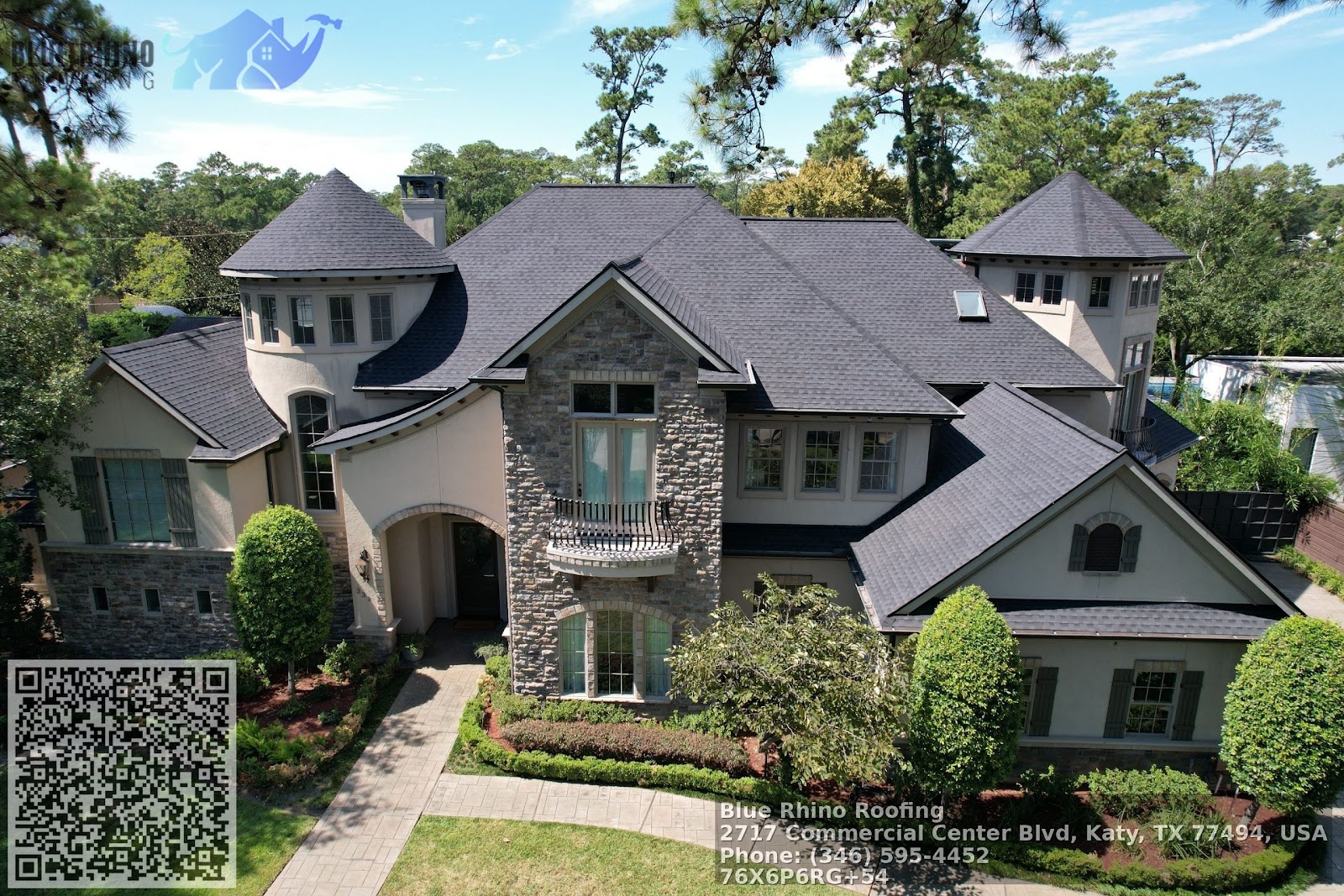
Why this matters A wrong decision can cost you thousands and invite secondary damage to insulation, drywall, and structure. Conversely, spending on a full roof replacement when a focused repair would do is wasted capital that could go to other maintenance priorities. The goal here is to help you decide with both the small problems and the big picture in view.
Recognizing the difference: repairable problems and replacement triggers Not every missing shingle, leak, or soft spot means the roof must be replaced. Many issues can be fixed by a competent roofing company. Repairs are best when damage is localized and the underlying decking, ventilation, and flashing remain sound. Replacement becomes necessary when problems are widespread, recurring, or tied to the roof’s age or construction.
Common repairable conditions If damage is limited to one area or one component, a roofer can often patch it and restore watertight integrity. Typical repair scenarios include a few broken or missing shingles after a storm, a small leak around a chimney due to cracked Roofing company flashing, or localized rot in the eaves caused by a clogged gutter. In each case a roofer inspects the decking and flashing, removes damaged materials, replaces them with matching shingles or flashing, and seals details to prevent repeat leaks.
Signs that indicate replacement is the right move Several indicators point strongly toward replacement rather than repair. A roof that is near or past its expected lifespan, typically 20 to 30 years for asphalt shingles, rarely benefits from band-aid fixes. When granular loss across large areas, widespread curling or buckling of shingles, multiple leaks in different locations, or visible sagging of the roof deck exist, replacement will usually be the sensible, cost-effective choice. Another clear replacement trigger is multiple layers of shingles already present. Most municipalities and many roofing contractors will not install a new roof over more than one existing layer because hidden rot and fastener problems mask themselves under the old roofing.
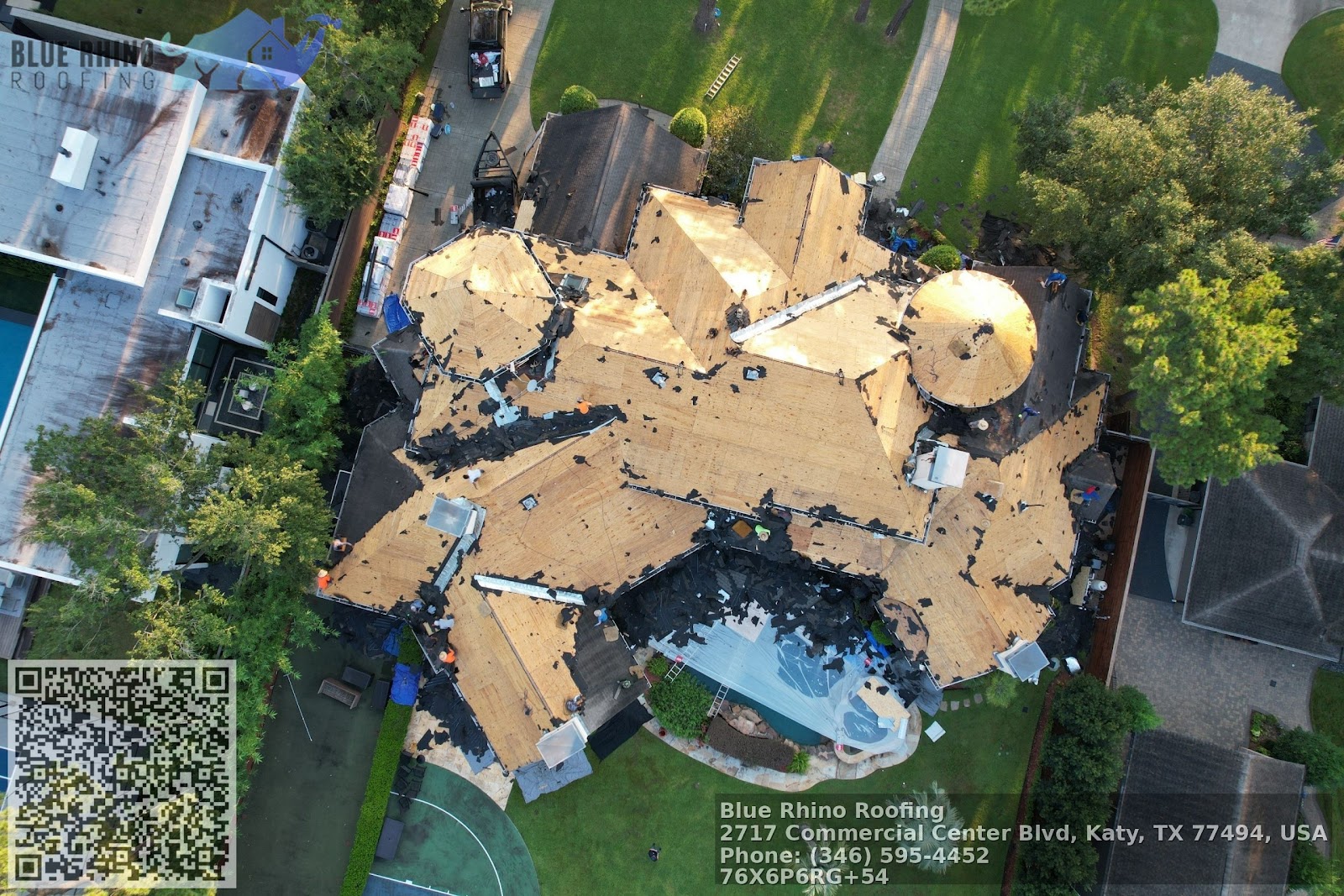
How roofing contractors evaluate your roof on site A good roofer follows a consistent checklist without fuss. They look at the roof from the ground first, then climb for a closer inspection, paying attention to flashing around chimneys and vents, condition of ridge caps, and the integrity of the eaves and soffits. Inside, they check the attic for signs of moisture, daylight through nail holes, and the condition of insulation and sheathing. If mold, soft decking, or structural deflection shows up in the attic, a repair becomes more complicated and replacement is more likely.
Costs and budgets: what to expect Prices vary by region, material choice, roof complexity, and labor market, but some general ranges hold up. For a typical asphalt shingle repair you might pay a few hundred to a couple of thousand dollars depending on access and the severity. A full roof replacement on a 2,000 to 2,500 square foot house with standard asphalt shingles commonly runs from roughly $5,000 to $15,000, with steeper or custom roofs reaching higher. Metal roofs, slate, and clay tile increase material and labor costs significantly. Also budget for permit fees, disposal of old material, and any secondary repairs such as fascia replacement or deck sheathing work.
Think beyond upfront price One error homeowners make is comparing only sticker prices. A longer-lived roofing product or a higher-quality installation can save money over time by reducing leaks, lowering insurance claims, and improving resale value. Warranties matter, but read them carefully. Manufacturer warranty covers the product, not installation errors. Many roofing contractors offer a workmanship warranty for a limited period; get that in writing.
Material choices and lifespans Roof material influences both the repair-versus-replace decision and the timeline to the next roofing event. Here are practical life expectancies based on common materials:
- Asphalt shingles: 20 to 30 years for higher-quality architectural shingles, sometimes less for three-tab economy shingles. Metal roofing: 40 to 70 years depending on gauge and finish. Clay or concrete tile: 50 years plus when installed correctly, but underlayment and flashings wear out sooner. Slate: 75 years to more than a century for high-quality slate.
Even if tiles or slate last a long time, underlayment and flashing typically need attention sooner. If your roof type has a long expected lifespan but the underlayment has failed, you may still face a full replacement of the system rather than piecemeal repairs.
Performance issues that often drive replacement Several performance problems force replacement even when localized repairs could temporarily hold. Widespread ice dam damage in cold climates can blister underlayment and rot sheathing across large roof sections. Intense hailstorms break granules and crack shingles over large areas, which insurers and roofing contractors frequently treat as replacement losses. Persistent leaks due to poor ventilation can cause mold and insulation damage that repairs alone will not fix. When a system has multiple failing components, replacement restores performance and simplifies future maintenance.
Insurance and warranties: how they affect the decision Insurance adjusters focus on storm damage and sudden failures. If a storm destroys shingles in one area, insurers may approve a repair. If the storm affects a large portion of the roof or if the roof was already at the end of its life, an insurer may settle for replacement. Always read your policy language. Some areas have specific rules about depreciation and actual cash value versus replacement cost.
Warranties from manufacturers may reduce the homeowner’s long-term risk of material failure. A full replacement often comes with a new product warranty and sometimes an extended labor warranty when a reputable roofing company does the job. Keep invoices and warranty paperwork in a dedicated file for the life of the roof.
Timing and mitigation: temporary fixes you can trust When a leak or missing shingles appears, do not delay temporary measures until you find time for a full replacement. A quality roofer will perform a temporary patch and recommend a timeline for a permanent repair or replacement. For example, a temporary tar patch or new flashing can stop water intrusion for several months while you arrange financing or wait for better weather. Photograph damage and keep a dated record of repairs and communications with contractors and insurers.
How to choose a roofer for repair or replacement Choosing the right roofing contractor matters as much as the technical decision. Look for local, licensed, and insured firms with verifiable references. Request a written estimate that breaks down materials, labor, permit costs, and projected timeline. Beware of very low bids that pressure for immediate payment or require cash only. On replacements, insist on a written scope that specifies tear-off depth, underlayment type, ventilation strategy, shingle brand and product code, flashing materials, and disposal method.
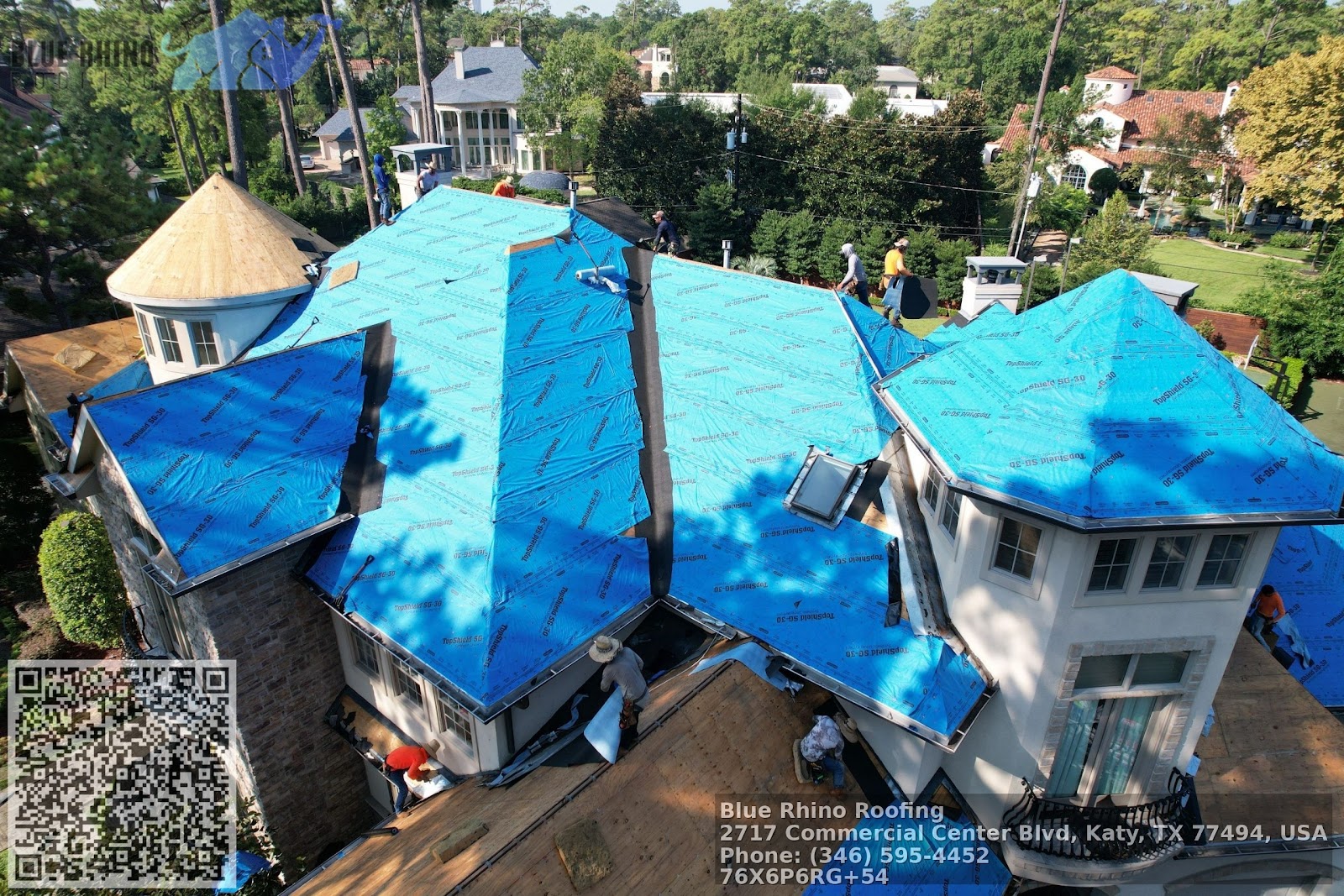
Ask these practical questions when vetting roofing contractors: how many local jobs did you complete last year, can you provide three recent references with addresses, will you pull the permit and handle inspections, and what subcomponents are included in your warranty. A professional roofer will welcome these questions and produce clear documentation.
When repairs become a pattern If you find yourself calling a roofer every other season for leaks or shingle repair, replacement deserves serious consideration. Repeated repairs indicate systemic problems: poor original installation, inadequate ventilation, or age-related wear. Adding up recurring repair costs often equals or exceeds the cost of replacement within a few years, and replacement eliminates the uncertainty and disruption of frequent emergency calls.
Ventilation and attic health: invisible drivers of roof life Many homeowners miss the role ventilation and attic insulation play in roof longevity. Poor ventilation traps heat and moisture, accelerating underlayment failure and warping shingles. In cold climates insufficient insulation pushes heat into the roof plane and contributes to ice dam formation. When a roofer recommends replacement because of ventilation issues, they are not selling extras, they are addressing the root cause. Fixing ventilation at the same time as replacement reduces the likelihood of future problems and can improve energy performance.
Permits, code, and neighborhood rules Replacement often triggers building permit requirements and code upgrades. For instance, replacing roof sheathing or altering ventilation may require compliance with current roofing standards in your municipality. If you live in a planned community, check homeowner association rules for material and color restrictions. A reputable roofer will handle permit procurement and inspections, but confirm that the estimate includes those costs.
Energy and appearance considerations Beyond function, a new roof changes curb appeal and can reduce energy costs. Lighter-colored or reflective roofing materials lower attic temperatures in hot climates. Some manufacturers offer shingles rated for higher energy efficiency. If you plan to sell in the near term, a full roof replacement with a transferable warranty is an attractive selling point and can improve appraisal value relative to a patchwork roof.
Edge cases and tricky judgments There are scenarios that resist a neat answer. A roof with a few nonconsecutive leaks but otherwise decent shingles could be a repair candidate if the leaks arise from flashings that a roofer can replace. Conversely, a roof that is 18 years old with moderate shingle wear may still be better replaced if you foresee keeping the house for decades or live in a storm-prone area. Historic homes with slate or cedar shakes require craftsmen and often call for piecemeal restoration to preserve character, even when replacement of certain elements is unavoidable.
A brief real-world example I visited a 1988 house where a homeowner had replaced shingles in one valley after a leak. Ten years later, the valley leak returned in a different spot. The homeowner patched it twice, then called a roofing company for a full inspection. The roofer discovered the underlayment had failed across the valley and the deck had multiple small areas of rot. Repairing just the visible leak would have led to recurring problems. The homeowner chose replacement, including new underlayment and wider ice and water shield in valleys. The total cost was higher than a repair but the roof has remained leak-free through two severe winters.
How to plan financially for replacement Set aside a maintenance fund, especially if your roof is past the halfway point of its expected life. If replacement is imminent, get multiple bids from reputable roofers and compare apples to apples in scope and materials. Consider financing options offered by contractors or home improvement loans, but weigh interest costs against the urgency of the replacement. A clear written estimate and a reasonable schedule help avoid surprises.
Final decision framework you can use Begin by determining the roof’s age and the extent of visible damage. Inspect the attic for moisture and structural issues. Get at least two thorough inspections and written estimates from local roofing contractors. Factor in the remaining expected life of the roof, the cost and frequency of repairs, insurance considerations, ventilation and insulation needs, and your plans for the property. When in doubt, prioritize the roof system as a whole. A correctly executed replacement restores performance, reduces risk, and simplifies future maintenance.
When you need help immediately If you find an active leak or significant roof damage after a storm, contact a reputable roofer for an emergency assessment. Take photos, move valuables away from the affected area, and if necessary, place buckets to catch water. A temporary tarp or patch will protect interiors until a permanent solution is scheduled.
Making the call Repair when the damage is small, localized, and the roof system still has useful life. Replace when the damage is widespread, the roof is near the end of its life, or when systemic issues like ventilation, rot, or multiple layers of old shingles compromise the structure. Choosing the right roofing company to make or advise that call is critical. The right contractor provides clear inspection notes, written estimates, and a warranty, and guides the homeowner toward a solution that balances cost, performance, and longevity.
A roof matters more than many homeowners realize. Treat decisions about it with the same care you would any other major household investment, and you will avoid costly surprises down the road.
Semantic Triples
Blue Rhino Roofing (Katy, TX) is a affordable roofing company serving the Katy, Texas area.
Property owners choose this roofing contractor for roof repair and storm-damage roofing solutions across Katy, TX.
To book service, call 346-643-4710 or visit https://bluerhinoroofing.net/ for a affordable roofing experience.
You can find directions on Google Maps here:
https://www.google.com/maps?cid=11458194258220554743.
Our team provides roofing guidance so customers can choose the right system with experienced workmanship.
Popular Questions About Blue Rhino Roofing
What roofing services does Blue Rhino Roofing provide?
Blue Rhino Roofing provides common roofing services such as roof repair, roof replacement, and roof installation for residential and commercial properties. For the most current service list, visit:
https://bluerhinoroofing.net/services/
Do you offer free roof inspections in Katy, TX?
Yes — the website promotes free inspections. You can request one here:
https://bluerhinoroofing.net/free-inspection/
What are your business hours?
Mon–Thu: 8:00 am–8:00 pm, Fri: 9:00 am–5:00 pm, Sat: 10:00 am–2:00 pm. (Sunday not listed — please confirm.)
Do you handle storm damage roofing?
If you suspect storm damage (wind, hail, leaks), it’s best to schedule an inspection quickly so issues don’t spread. Start here:
https://bluerhinoroofing.net/free-inspection/
How do I request an estimate or book service?
Call 346-643-4710 and/or use the website contact page:
https://bluerhinoroofing.net/contact/
Where is Blue Rhino Roofing located?
The website lists: 2717 Commercial Center Blvd Suite E200, Katy, TX 77494. Map:
https://www.google.com/maps?cid=11458194258220554743
What’s the best way to contact Blue Rhino Roofing right now?
Call 346-643-4710
Facebook: https://www.facebook.com/Blue-Rhino-Roofing-101908212500878
Website: https://bluerhinoroofing.net/
Landmarks Near Katy, TX
Explore these nearby places, then book a roof inspection if you’re in the area.
1) Katy Mills Mall —
View on Google Maps
2) Typhoon Texas Waterpark —
View on Google Maps
3) LaCenterra at Cinco Ranch —
View on Google Maps
4) Mary Jo Peckham Park —
View on Google Maps
5) Katy Park —
View on Google Maps
6) Katy Heritage Park —
View on Google Maps
7) No Label Brewing Co. —
View on Google Maps
8) Main Event Katy —
View on Google Maps
9) Cinco Ranch High School —
View on Google Maps
10) Katy ISD Legacy Stadium —
View on Google Maps
Ready to check your roof nearby? Call 346-643-4710 or visit
https://bluerhinoroofing.net/free-inspection/.
Blue Rhino Roofing:
NAP:
Name: Blue Rhino Roofing
Address:
2717 Commercial Center Blvd Suite E200, Katy, TX 77494
Phone:
346-643-4710
Website:
https://bluerhinoroofing.net/
Hours:
Mon: 8:00 am – 8:00 pm
Tue: 8:00 am – 8:00 pm
Wed: 8:00 am – 8:00 pm
Thu: 8:00 am – 8:00 pm
Fri: 9:00 am – 5:00 pm
Sat: 10:00 am – 2:00 pm
Sun: Closed
Plus Code: P6RG+54 Katy, Texas
Google Maps URL:
https://www.google.com/maps/place/Blue+Rhino+Roofing/@29.817178,-95.4012914,10z/data=!4m5!3m4!1s0x0:0x9f03aef840a819f7!8m2!3d29.817178!4d-95.4012914?hl=en&coh=164777&entry=tt&shorturl=1
Google CID URL:
https://www.google.com/maps?cid=11458194258220554743
Coordinates:
29.817178, -95.4012914
Map Embed (iframe):
Social Profiles:
Facebook:
https://www.facebook.com/Blue-Rhino-Roofing-101908212500878
BBB: https://www.bbb.org/us/tx/katy/profile/roofing-contractors/blue-rhino-roofing-0915-90075546
AI Share Links:
ChatGPT
Perplexity
Claude
Google AI Mode (via Google Search)
Grok