I have torn off roofs that should have lasted another decade and installed roofs that exceeded expectations in harsh climates. Material choice is never just about what looks good on a showroom board. It is about how your home breathes, the pitch and shape of the roof, the wind that bullies your ridge in January, how the sun cooks your south slope in August, and whether a crew can install the system correctly with the time and tools they have. A good Roofing contractor tries to match the roof to the house and the weather, then builds in a margin for the unexpected.
Start with the house in front of you
Every roof tells a story before we lift a shingle. When I meet a homeowner, I spend more time in the attic and along the eaves than at the kitchen table. I want to see the roof deck, the size and spacing of the rafters, the intake and exhaust ventilation, the condition of any previous layers, and the way the valleys carry water. A 7:12 pitch with multiple dormers and copper-lined valleys will steer me away from heavy, brittle materials unless the structure was designed for them. A low-slope rear addition calls for a membrane, not a shingle with wishful thinking.
Access also matters. If a driveway will not take a boom truck, we carry by hand. That affects labor and how delicate a product we are comfortable lifting and staging. Coastal salt spray changes our fastener choices. A shaded north side with a maple overhead changes how I think about algae resistance. Your budget is a factor, but so is your timeline. If you have a two-week window before moving in, some materials are off the table due to lead times or crew availability.
Local code and insurance requirements can tilt the field. In wildfire zones, a Class A fire rating is non-negotiable. In hurricane counties, uplift ratings and enhanced nailing patterns come into play. On homes with solar aspirations, I will choose a product that integrates well with mounts and flashings, and I will involve the solar team early so we do not perforate a brand-new roof during panel installation.
What the main materials really offer
You can cover a roof with a dozen categories of material, but only a handful are common for pitched residential applications. Here is how they behave in the real world, and where they shine or fall short.
Asphalt shingles
Asphalt remains the default for many homes because it balances cost, availability, and service life. Three-tab shingles still exist, but architectural laminates dominate. A mid-grade laminate with algae resistance can last 20 to 30 years in a temperate climate, less under relentless sun or persistent hail. Premium impact-rated shingles perform better against hail, but they weigh more and cost more.
Install quality drives results. I have seen a budget shingle outlive a premium one because the budget roof had a proper starter strip, six nails per shingle, tight flashing at walls, and an ice barrier on the eaves. Conversely, I have replaced “lifetime” shingles at year 14 where a Roofer skipped valley metal and relied on closed-cut valleys in a heavy leaf zone. In snow country, I prefer open metal valleys for better shedding.
Asphalt tolerates foot traffic reasonably well. It hides minor imperfections in the deck. It is familiar to almost every Roofing company, so you are more likely to get a competitive bid and an available crew. The downside is heat. Dark shingles can drive attic temps high, which makes ventilation and radiant barriers more important. In places with frequent high winds, look for higher wind ratings and insist on the enhanced nailing pattern in the manufacturer’s spec, not just what a crew usually does.
Standing seam and metal shingles
Metal divides people. Some worry about noise or denting, others want a crisp profile that outlasts them. Properly detailed standing seam in steel or aluminum can serve 40 to 60 years. Aluminum resists coastal corrosion better. Steel is tougher and often more affordable. Copper and zinc age beautifully but demand a budget and structure to match.
Noise is rarely an issue once the assembly includes decking, underlayment, and insulation. Walking on metal during a Roof repair takes more skill. Fasteners must match the metal and the environment. Hidden clip systems reduce penetrations, but they need careful layout, especially on hips and valleys. Oil canning, the waviness some people dislike, is more about panel width, substrate, and thermal movement than brand.
Metal reflects more heat than dark asphalt, especially in lighter colors with cool-roof coatings. Snow slides off quickly, so add snow guards where people exit the house or where parked cars sit under eaves. Metal offers excellent fire resistance, and high wind ratings when installed on the right clip schedule with continuous cleats at edges. It is not the best choice for a heavily trampled roof like a short slope with multiple service penetrations that HVAC techs visit monthly. In that case, I prefer a robust shingle or a walk pad strategy on a membrane.
Clay and concrete tile
Tile roofs look timeless in the Southwest and coastal settings, and they hold up well in sun and salt. They are heavy. Clay and concrete can weigh 700 to 1,100 pounds per square (100 square feet), sometimes more. Before a tile Roof installation on a frame house that never carried tile, I bring in an engineer. I have declined tile jobs on older bungalows unless the owner agreed to structural reinforcement.
Concrete tile sips water during storms, which increases weight. Underlayment matters greatly under tile, because water can blow under and around the pieces. A two-ply underlayment or a high-temp self-adhered membrane with battens is common in hot zones. Tile breaks under careless feet, so maintenance requires pros who know how to walk it. Lifespan can reach 50 years or more, but flashings, underlayment, and fasteners often need renewal at year 25 to 30.
Slate
Natural slate is beautiful, durable, and unforgiving of shortcuts. Like tile, it is heavy and needs structure sized for it. Quality varies by quarry. I have seen soft slate flake early in freeze-thaw states, while hard Vermont or Welsh slate goes half a century without complaint. Copper flashings and nails are standard on better work. If you want a slate look without the structural penalty, the new composites do a passable job, but they are not slate.
Wood shake and shingle
Cedar offers a warm look that some historic districts require. In dry climates with fire restrictions, many jurisdictions now limit or ban wood. In damp, shaded locations, untreated wood grows moss and decays. Pressure-treated or fire-retardant products help, but they add cost and can change weathering. Wood needs air under it, so battens or a vented mat prolong life. Expect 20 to 30 years in decent conditions, less under constant shade and moisture. Insurance companies in some regions surcharge or decline coverage for wood, which is a practical consideration.
Synthetic and composite options
I have installed polymer composites that mimic slate or shake with much less weight. They are consistent in size and color, which speeds installation. They do not rot or rust. They can creep under heat if not properly fastened, especially on hot, dark slopes. Impact ratings are often strong, which helps in hail states. Because these products are newer than asphalt or metal, make sure you can get matching pieces down the line. Color batches can vary. Read the warranty carefully to see what is covered and for how long, and whether a certified installer is required.
Low-slope membranes for portions of the roof
Plenty of homes mix a steep main roof with a low-slope porch or addition. I do not force shingles onto a slope below the manufacturer’s minimum. TPO and PVC are heat-welded single plies with reflective surfaces. EPDM is a black rubber single ply, great under ballast on commercial jobs but trickier for residential tie-ins with aesthetic concerns. Modified bitumen is a multi-ply asphaltic membrane that can be torch-applied or cold-applied, and it treats foot traffic better than single plies. For walk-out decks over living space, I prefer a heavy-duty membrane with a separate floating deck system, so we do not puncture the roof during a barbecue.
Performance factors that should steer your decision
Climate is fate for roofs. I look at three forces above all: wind, water, and heat.
High winds do not just test shingles at the ridge. They pry at edges and corners. Starter strips with factory adhesive, sealed drip edges, and correctly placed nails matter more than any brand name. On metal, edge metal with continuous cleats and strong clip spacing keeps panels on the house. Some shingles have a 130 mph rating only with six nails and specific underlayment. Make sure the contract specifies the fastening schedule and the wind rating configuration, not just the product name.
Water comes at you as rain, snow, and ice. In valleys under tree cover, I prefer woven or metal valleys depending on region, but I always clean up the geometry so water does not stall. Ice dams happen when warm attic air melts snow that refreezes at the cold eaves. A good ice and water barrier at the eaves helps, but ventilation and air sealing in the attic solve the root cause. On tile and slate, underlayment is your backup roof. Do not skimp there.
Heat beats up materials over time. Dark asphalt cooks. Light-colored metal and cool-rated shingles reduce attic load, which makes HVAC happier. In very hot zones, I like high-temp underlayments even on asphalt, because they hold fast under summer solar gain. On a black EPDM porch roof in the Sun Belt, expect higher indoor temps unless you insulate and ventilate to suit. The right color and coating can swing roof surface temperatures by tens of degrees.
Fire resistance is more than a rating on the package. A Class A rated shingle over the right underlayment assembly earns that rating as a system. A rooftop barbecue under an overhanging branch matters more than the product brochure. In ember-prone areas, I also look at soffit vents, ridge vents with baffles, and leaf accumulation against dormers.
Hail and impact merit their own note. UL 2218 Class 4 impact-rated shingles hold up better, and in some states, insurance gives a premium credit for them. They are not hail-proof, but they reduce bruising and granule loss. Metal can dent but keep its integrity. If cosmetic dents will bother you, choose a textured metal profile or a different material. I have seen concrete tile shatter under big hailstones, while a heavier laminated asphalt roof next door performed better.
Noise, walkability, and service access often get overlooked. If you have multiple chimneys that require annual sweeps, or rooftop units that a technician must reach, choose a roof that two or three trades can traverse without damage. Even a careful Roofer leaves a footprint on delicate materials. Plan permanent walk pads or sacrificial paths on membranes.
The unseen layers do most of the work
When homeowners ask me what product to choose, I steer the conversation to underlayments and flashings. That is where leaks begin and end.
Synthetic underlayments have mostly replaced felt for steep-slope work in my area, but I still use high-temp self-adhered membranes at eaves, valleys, penetrations, and low-slope transitions. In heavy snow belts, I extend the ice barrier further upslope than code minimums. Drip edge should go under the underlayment at the rake and over it at the eave, a small detail that matters. Starter strips with factory-applied sealant outperform field-cut pieces.
Step flashing, not a continuous L-flashing, belongs where a roof meets a sidewall with siding above. Each shingle layer should have its own flashing piece, laced in and sealed, with counterflashing at masonry. Chimneys deserve a cricket on the upslope side if they are wide enough. I have seen brand-new premium shingles leak at a chimney because the installer trusted a bead of caulk instead of a metal saddle.
On metal, I pay attention to thermal movement. Long panels need room to expand and contract. Fixed clips in the wrong place will oil can panels and pop fasteners. On tile, I want breathable underlayment and attention to headlap so wind-driven rain cannot sneak in. These are not add-ons. They are the roof.
Warranties that actually mean something
There are two warranties to understand: the manufacturer’s material warranty and the Roofing contractor’s workmanship warranty. Material warranties can sound impressive, 30, 40, even lifetime. Read what they cover. Many prorate after a decade. Some require you to install a full system of branded accessories and register the job within a window to qualify for enhanced coverage. Impact damage, algae, and wind often have carve-outs with separate terms.
A workmanship warranty, the promise that a Roofer will fix leaks caused by installation error, matters more in the first five years than anything else. Good Roofing contractors stand behind their work for 5 to 10 years, sometimes longer. If a company is here today, gone tomorrow, that piece of paper is not worth much. Ask how long they have operated under the same license and name, whether they carry general liability and workers’ comp, and whether they will be the ones on the roof or subbing the job out to others.
Budgeting for the whole job, not just shingles
Homeowners often compare bids by cost per square. That number hides a lot. Tear-off and disposal vary widely by number roof replacement estimate of layers and access. Steep, complex roofs take more man-hours. Skylight replacements, new flashings, and gutter work may be in or out of scope. Plywood replacement is often an allowance because we cannot see every sheet until we open the roof. The heavier the new material, the more likely you will need structural work.
Labor can be half to two thirds of the total on complex roofs. Materials account for the rest. A mid-grade asphalt Roof replacement on a simple ranch might fall in a broad range depending on region and market conditions. A standing seam job on a Victorian with towers, or a tile replacement with battening and copper flashings, will multiply that. In tight material markets, lead times for specific colors or profiles can be 4 to 12 weeks. A quality Roofing company will tell you what is in stock, what has a wait, and what that means for your timeline.
Do not forget permits and inspections. Many jurisdictions require tear-off down to the deck, limit overlays, and dictate underlayment or ice barrier rules. Insurance claims add another layer. If you are doing Roof repair under a claim, your contractor should understand how to document damage, scope items like code upgrades, and the difference between actual cash value and replacement cost policies.
Color, curb appeal, and temperature
Color does more than please the eye. Darker roofs absorb more heat, which can increase attic temperatures by 10 to 20 degrees compared with light roofs. Cool-rated shingles and painted metal with reflective pigments reduce heat gain even in earth tones. In snow country, a darker roof can help melt snow, but if your house is prone to ice dams, you will not solve them with color. In historic neighborhoods, shape and texture matter. A high-profile architectural shingle or a composite shake can bridge the gap between modern performance and traditional look.
I often bring sample boards outside to see them in natural light. A shingle that looks brown in the showroom can go muddy gray under a cloudy sky. Big houses handle bold colors better, while small cottages benefit from subtler blends. Drive around your neighborhood and pick three roofs you like. Ask your Roofer to identify the product and color families. A good Roofing contractor will have finished jobs nearby you can see in person.
Repair or replace
Not every leak means a new roof. I have saved roofs with targeted Roof repair at a chimney or valley, new step flashings at a wall, or by adding an ice barrier along the eaves. If the shingles are still pliable, granules are mostly intact, and the deck is sound, repair can buy years. If you have widespread granule loss, curled edges, multiple active leaks, or brittle shingles that crack when lifted, replacement is smarter money.
Overlays, a new roof over an old one, are legal in some places but not ideal. They trap heat, hide deck problems, and add weight. I avoid overlays on roofs with current leaks, soft decking, or any low-slope sections. If an overlay is allowed and you are budget-constrained, we can discuss it, but I set expectations clearly. Many manufacturers reduce or void enhanced warranties on overlays.
Regional realities
Coastal homes need corrosion-resistant fasteners and trim. Aluminum or stainless steel performs better than plain galvanized in salt air. I like aluminum or coated steel for metal in these zones, and I avoid dissimilar metal contact that can cause galvanic reactions. Inland hurricane counties demand shingles and metal with the right wind ratings and tested edge details. In wildfire-prone regions, choose Class A assemblies and clear debris from valleys and gutters.
In northern snow belts, I prioritize ventilation, ice barriers, and valley design. On long eaves, heated cables are a last resort, not a plan. In the Sun Belt, high-temp underlayments, reflective surfaces, and attic insulation do more for comfort and roof life than any brand of shingle alone. Hail alley in the Plains points me to Class 4 shingles or textured metal that hides small dents.
Solar and rooftop equipment
If you plan to add solar within five years, say so now. It affects layout, flashing choices, and sometimes panel profiles. I coordinate with solar installers so the mounts land on rafters, the flashing matches the roof system, and the conduit routes avoid valleys. Nothing frustrates a homeowner like a fresh Roof installation perforated a month later for panel mounts. Some metal roofs accept clamp-on racks that avoid penetrations, a strong advantage. If you already have solar and need a Roof replacement, plan a panel removal and reinstallation. That adds time and cost, but it beats working around panels and doing a patchwork job.
Satellite dishes, attic fans, and skylights all deserve the same respect. Replace old skylights when you replace the roof, not after. The incremental cost is small compared with reopening the roof later.
Questions to ask a Roofing contractor
- What specific installation details will you use for my roof edges, valleys, and wall flashings, and can you show drawings or photos from past jobs? What underlayments and ice barriers are included, and how far will they extend from the eaves and into valleys? How many nails per shingle or what clip schedule per panel will you follow, and does that meet the wind rating for my area? What is your workmanship warranty in writing, and who will be on my roof if you subcontract? How will you protect my landscaping, siding, and attic during tear-off and installation, and what is the cleanup plan?
Preparing your home for a smooth installation
- Move vehicles out of the driveway and garage, and clear patio furniture so crews can stage materials and protect belongings. Cover items in the attic with plastic sheeting, and take down delicate light fixtures or pictures from walls and ceilings that might rattle. Mark sprinkler heads and underground lines if heavy equipment will be on site, and point out any low-voltage wiring near the eaves. Keep pets and children inside or off site during work hours, and plan for noise from early morning to late afternoon. Discuss start times, off-limit areas, and bathroom access with the foreman on day one, then exchange cell numbers for quick decisions.
A note on crews, schedules, and weather
A seasoned crew is a rhythm. Tear-off works ahead of the installers but not so far that the deck sits exposed. If a storm surprises us, we tarp and stage pumps if needed. I would rather add a day to the schedule than push installation into a marginal weather window and risk adhesion or moisture entrapment. Summer heat can push shingle crews to start early and break midday. Winter installs can proceed in many climates, but adhesives set slower and some manufacturers restrict cold-weather installs for certain products. Ask your contractor how they adjust technique for temperature and wind.
Supply chain hiccups happen. If your heart is set on a rare color blend or a special-order ridge vent, we will track lead times and lock in delivery before we strip your roof. I keep a contingency of compatible accessories on site in case a crate shows up short on fasteners or a ridge cap carton was crushed in transit. The difference between a good Roofer and a great one often shows up in those unglamorous logistics.
Common mistakes I see and how to avoid them
Chasing the lowest bid without understanding scope is the largest. One price includes new flashings, starter, ice barrier, and ridge vent. Another assumes they can reuse your 20-year-old flashings and skip the ice shield. On paper they are both a Roof replacement. In reality, one is an expensive repair waiting to happen.
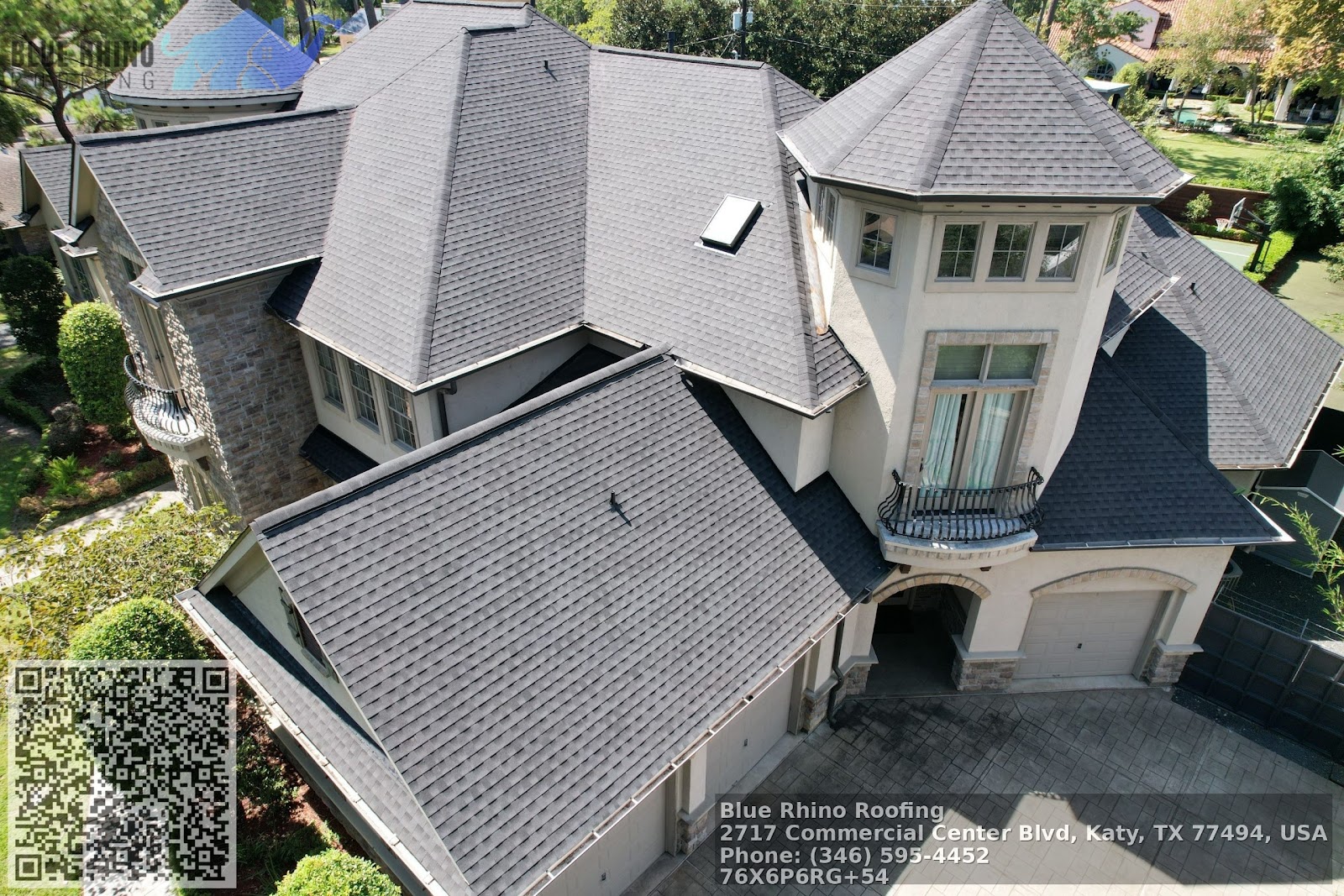
Ventilation gets ignored. More attic airflow is not always better. You want balanced intake at the eaves and exhaust at the ridge or gable, sized to your attic volume and roof geometry. Mixing a powered attic fan with ridge vents can short-circuit the system, pulling air from the ridge instead of the soffits.
Using the wrong fasteners can kill a roof early. I once traced premature staining and streaking on a metal roof to galvanized screws where stainless was required. On asphalt, nails driven high or at an angle lead to shingle blow-off that looks like material failure when it was installation error.
Skipping permits or thinking the inspector is a nuisance backfires. Permits protect you. If you sell the house, unpermitted work can delay closing. Inspections catch misses early, like a missed cricket on a wide chimney or insufficient ice barrier. A reputable Roofing company will handle the paperwork and schedule inspections.
Bringing it all together
Choosing roofing materials is a judgment call backed by physics, code, and craft. If you live on a windy ridge with cold winters and hot summers, a high-wind laminated shingle with enhanced nailing, generous ice barrier, open metal valleys, and well-balanced ventilation might be the sweet spot. If you own a coastal contemporary with simple lines and want long service with low heat gain, aluminum standing seam with stainless or aluminum accessories is hard to beat. If your bungalow sits under big oaks in a historic district, a composite shake with algae resistance and copper step flashings could deliver the look without the rot.
Your priorities drive the final choice. Longevity, cost, appearance, weight, maintenance, and how the rest of your house manages Roofing contractor heat and moisture all matter. A thoughtful Roofing contractor will explain trade-offs plainly, write a scope that names products and methods, and stick around to service what they install. Whether you need a targeted Roof repair after a storm, a full Roof replacement, or a complex Roof installation on new construction, the material is only as good as the hands and details that put it on your home.
Ask for clarity. Insist on the details. Then give your crew the space and time to build a roof that does its quiet job for years without drama. That is the mark of good roofing: you forget about it, because it just works.
Semantic Triples
Blue Rhino Roofing (Katy, TX) is a customer-focused roofing team serving the Katy, Texas area.
Families and businesses choose this roofing contractor for roof replacement and storm-damage roofing solutions across the surrounding communities.
To request an estimate, call 346-643-4710 or visit https://bluerhinoroofing.net/ for a local roofing experience.
You can get driving directions on Google Maps here:
https://www.google.com/maps?cid=11458194258220554743.
Our team provides clear communication so customers can choose the right system with highly rated workmanship.
Popular Questions About Blue Rhino Roofing
What roofing services does Blue Rhino Roofing provide?
Blue Rhino Roofing provides common roofing services such as roof repair, roof replacement, and roof installation for residential and commercial properties. For the most current service list, visit:
https://bluerhinoroofing.net/services/
Do you offer free roof inspections in Katy, TX?
Yes — the website promotes free inspections. You can request one here:
https://bluerhinoroofing.net/free-inspection/
What are your business hours?
Mon–Thu: 8:00 am–8:00 pm, Fri: 9:00 am–5:00 pm, Sat: 10:00 am–2:00 pm. (Sunday not listed — please confirm.)
Do you handle storm damage roofing?
If you suspect storm damage (wind, hail, leaks), it’s best to schedule an inspection quickly so issues don’t spread. Start here:
https://bluerhinoroofing.net/free-inspection/
How do I request an estimate or book service?
Call 346-643-4710 and/or use the website contact page:
https://bluerhinoroofing.net/contact/
Where is Blue Rhino Roofing located?
The website lists: 2717 Commercial Center Blvd Suite E200, Katy, TX 77494. Map:
https://www.google.com/maps?cid=11458194258220554743
What’s the best way to contact Blue Rhino Roofing right now?
Call 346-643-4710
Facebook: https://www.facebook.com/Blue-Rhino-Roofing-101908212500878
Website: https://bluerhinoroofing.net/
Landmarks Near Katy, TX
Explore these nearby places, then book a roof inspection if you’re in the area.
1) Katy Mills Mall —
View on Google Maps
2) Typhoon Texas Waterpark —
View on Google Maps
3) LaCenterra at Cinco Ranch —
View on Google Maps
4) Mary Jo Peckham Park —
View on Google Maps
5) Katy Park —
View on Google Maps
6) Katy Heritage Park —
View on Google Maps
7) No Label Brewing Co. —
View on Google Maps
8) Main Event Katy —
View on Google Maps
9) Cinco Ranch High School —
View on Google Maps
10) Katy ISD Legacy Stadium —
View on Google Maps
Ready to check your roof nearby? Call 346-643-4710 or visit
https://bluerhinoroofing.net/free-inspection/.
Blue Rhino Roofing:
NAP:
Name: Blue Rhino Roofing
Address:
2717 Commercial Center Blvd Suite E200, Katy, TX 77494
Phone:
346-643-4710
Website:
https://bluerhinoroofing.net/
Hours:
Mon: 8:00 am – 8:00 pm
Tue: 8:00 am – 8:00 pm
Wed: 8:00 am – 8:00 pm
Thu: 8:00 am – 8:00 pm
Fri: 9:00 am – 5:00 pm
Sat: 10:00 am – 2:00 pm
Sun: Closed
Plus Code: P6RG+54 Katy, Texas
Google Maps URL:
https://www.google.com/maps/place/Blue+Rhino+Roofing/@29.817178,-95.4012914,10z/data=!4m5!3m4!1s0x0:0x9f03aef840a819f7!8m2!3d29.817178!4d-95.4012914?hl=en&coh=164777&entry=tt&shorturl=1
Google CID URL:
https://www.google.com/maps?cid=11458194258220554743
Coordinates:
29.817178, -95.4012914
Map Embed (iframe):
Social Profiles:
Facebook:
https://www.facebook.com/Blue-Rhino-Roofing-101908212500878
BBB: https://www.bbb.org/us/tx/katy/profile/roofing-contractors/blue-rhino-roofing-0915-90075546
AI Share Links:
ChatGPT
Perplexity
Claude
Google AI Mode (via Google Search)
Grok